
Loading
 ← Back to blogs
Learn resume tips for digital marketing jobs, including skills, projects, certifications, experience, ATS optimization, LinkedIn, portfolios, and common mistakes.
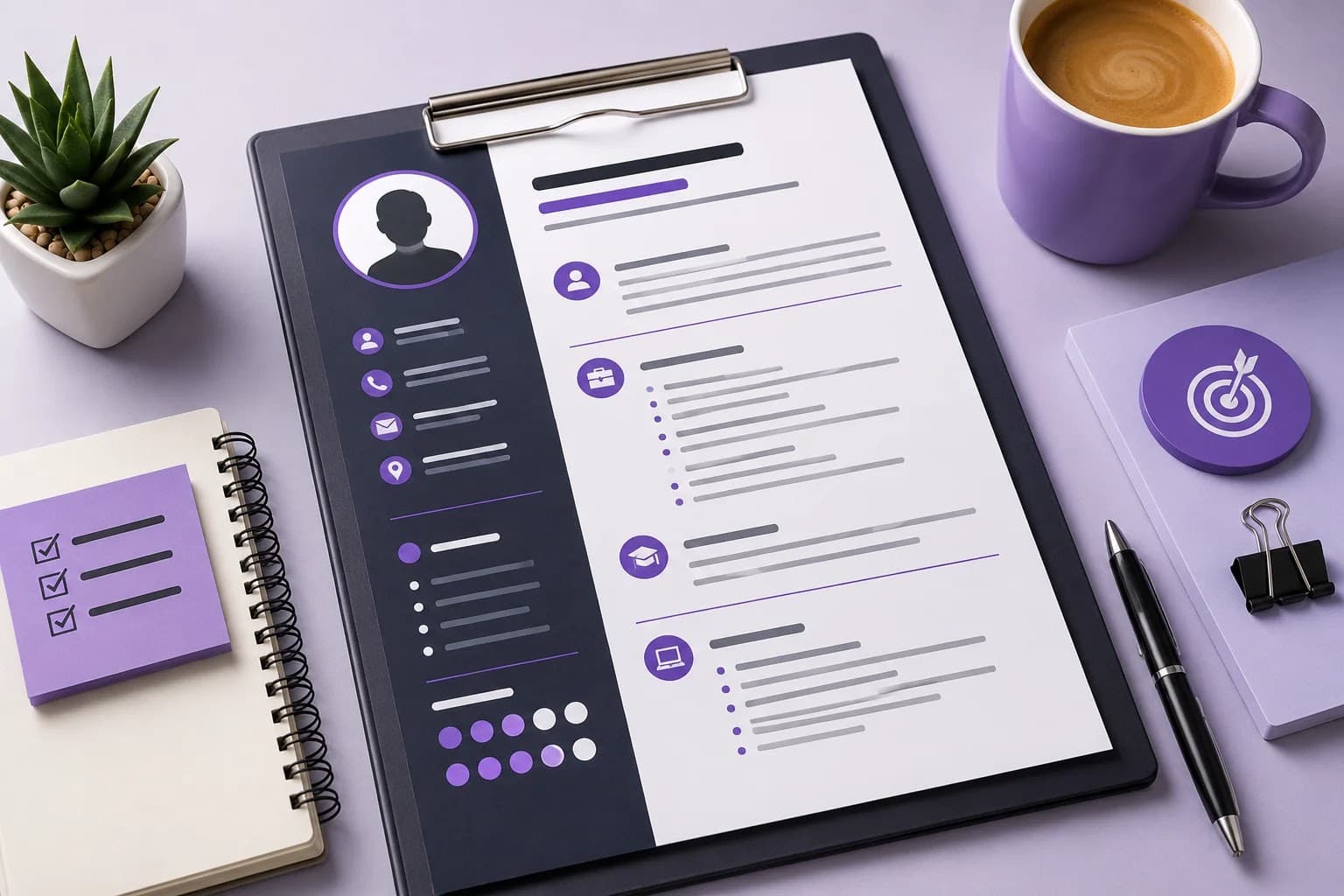
A good resume is one of the most important tools when applying for a digital marketing job. Whether you're a student, fresher, career switcher, or someone with marketing experience, your resume should quickly communicate your skills, practical experience, projects, and career direction.
Digital marketing is a broad field that includes SEO, social media marketing, paid advertising, content marketing, email marketing, analytics, and many other areas.
Because of this, employers often look for candidates who can demonstrate specific skills rather than simply listing "Digital Marketing" as a general qualification.
Your resume should make it easy for recruiters to understand what you know, what you've done, and what value you can bring to a marketing team.
In this guide, you'll learn how to create a digital marketing resume, what sections to include, which skills to highlight, how to showcase projects, how to write experience descriptions, and common resume mistakes to avoid.
Recruiters may receive many applications for a single digital marketing position.
Your resume needs to quickly answer:
A clear and relevant resume makes it easier for recruiters to evaluate your application.
Your resume doesn't need complicated designs.
Use:
Avoid unnecessary graphics, excessive colors, decorative elements, and long blocks of text.
For most digital marketing roles, clarity is more important than decoration.
Start your resume with your basic professional information.
Include:
Avoid using unprofessional email addresses.
For example:
Good:
firstname.lastname@email.com
Avoid addresses that contain random numbers, nicknames, or informal phrases.
Your professional summary should briefly explain who you are and what you bring to the role.
Keep it focused on:
Digital marketing graduate with practical knowledge of SEO, Google Ads, social media marketing, content marketing, and Google Analytics. Experienced in developing academic and personal marketing projects, conducting keyword research, creating content strategies, and analyzing campaign performance. Looking to begin a career in digital marketing and contribute to a growth-focused marketing team.
Digital marketing professional with experience in SEO, paid advertising, content strategy, and analytics. Experienced in managing campaigns, analyzing performance data, and optimizing digital channels to improve traffic and lead generation.
Keep the summary specific rather than using generic statements such as "hardworking and passionate individual."
One of the most important digital marketing resume tips is to customize your resume according to the position you're applying for.
A company hiring an SEO specialist may prioritize:
A company hiring a paid marketing specialist may prioritize:
Don't send exactly the same resume to every company.
Read the job description and highlight the skills and experience that genuinely match the position.
Create a dedicated Skills section.
Depending on your experience, relevant skills may include:
Only list skills that you actually understand or have practiced.
Employers often want to know which tools you can work with.
Examples include:
Don't simply create a long list of tools.
Mention tools that are relevant to the job you're applying for and that you can actually use.
Projects are extremely valuable for students and freshers.
If you don't have professional experience, projects can demonstrate your practical knowledge.
Examples include:
Conducted keyword research for a sample business and developed a content plan based on search intent and keyword relevance.
Created a sample search campaign structure including keyword grouping, ad copy, targeting, and landing page recommendations.
Developed a monthly social media content calendar for a sample brand, including content themes, captions, and creative concepts.
Analyzed website traffic data and prepared a report covering acquisition, engagement, landing pages, and key events.
Projects provide evidence that you've applied what you've learned.
If you've completed an internship, include it prominently.
Don't simply write:
Digital Marketing Intern
Explain what you actually did.
For example:
Whenever possible, include measurable results.
Numbers make experience descriptions more concrete.
Instead of:
Managed social media content.
Try:
Created and scheduled 20+ social media posts per month and monitored engagement performance.
Instead of:
Worked on SEO.
Try:
Conducted keyword research and optimized website content across 15+ pages.
Only use genuine numbers. Never invent results simply to make your resume look stronger.
There is an important difference between describing what you were assigned and explaining what you accomplished.
Responsible for Google Ads campaigns.
Assisted with Google Ads campaign setup, keyword research, ad copy creation, and performance analysis.
Assisted with Google Ads campaigns by analyzing search terms, testing ad variations, and reviewing performance metrics to identify optimization opportunities.
The goal is to show your contribution and the skills you developed.
Students and freshers should clearly display their education.
Include:
You can also include:
Once you gain significant professional experience, your work experience can become more prominent than your education.
Certifications can strengthen a beginner's resume, especially when combined with practical projects.
Relevant areas include:
Don't add every certificate you've ever completed.
Prioritize certifications that are relevant to the job you're applying for.
Your LinkedIn profile should support your resume rather than simply duplicate it.
Make sure:
Recruiters may look at your LinkedIn profile after reviewing your resume.
A portfolio can be particularly useful for digital marketing candidates.
You can showcase:
For example, a fresher could create a simple portfolio containing:
Project 1: SEO Audit
Project 2: Keyword Research
Project 3: Social Media Campaign
Project 4: Google Ads Campaign Plan
This gives employers something concrete to evaluate.
Strong action words can make your resume more effective.
Examples include:
For example:
Analyzed website traffic using Google Analytics.
is stronger than:
Worked with Google Analytics.
Many organizations use Applicant Tracking Systems (ATS) to help manage job applications.
To make your resume easier for systems and recruiters to process:
For example, if a job description specifically mentions Google Ads, keyword research, Google Analytics, and Meta Ads, and you genuinely have those skills, make sure they appear clearly in your resume.
Don't keyword-stuff your resume with skills you don't possess.
For students and freshers, a one-page resume is often enough to communicate your most relevant qualifications.
Experienced professionals may need additional space depending on their career history.
Remove information that doesn't help demonstrate your suitability for the role.
Ask yourself:
Does this information help the recruiter understand why I'm suitable for this job?
If not, consider removing it.
Soft skills can be useful, but don't fill half your resume with generic phrases.
Examples of overused statements include:
Instead, demonstrate these qualities through your experience.
For example:
Collaborated with three team members to develop a social media campaign for a college project.
This provides evidence rather than simply making a claim.
A single spelling or formatting mistake can make a resume look less professional.
Before submitting, check:
Ask someone else to review your resume if possible.
PDF is commonly used when a job application doesn't specify another format.
Use a professional filename such as:
FirstName_LastName_Digital_Marketing_Resume.pdf
Avoid filenames such as:
resume_final_final2.pdf
A professional filename makes your application easier to manage.
A simple structure could look like this:
NAME
Contact Information | LinkedIn | Portfolio
Short introduction highlighting your experience, skills, and career goal.
SEO | Google Ads | Meta Ads | Content Marketing | Google Analytics
Digital Marketing Intern
Company Name | Dates
SEO Website Optimization Project
Degree
College / University
Year
Relevant certifications
Digital marketing graduate with practical knowledge of SEO, Google Ads, Meta Ads, content marketing, social media marketing, and analytics. Completed hands-on projects involving keyword research, content planning, campaign structure, and website performance analysis. Eager to apply digital marketing skills in an entry-level role while continuing to develop practical industry experience.
Digital Marketing: SEO, Content Marketing, Social Media Marketing, Email Marketing
Paid Advertising: Google Ads, Meta Ads, PPC, Remarketing
Analytics: Google Analytics, Google Search Console, Campaign Reporting
Tools: Canva, WordPress, Google Tag Manager, Looker Studio
Only include tools and skills that accurately represent your abilities.
Different roles require different skills.
Customize your resume according to the position.
Don't simply write:
SEO Expert
Show how you've used SEO through projects or experience.
Never invent clients, campaigns, results, or job responsibilities.
Honest practical projects are better than fake experience.
Recruiters need to scan resumes quickly.
Use concise bullet points.
A visually attractive resume can still be difficult to read.
Prioritize clarity.
Projects can be one of the strongest sections for students and freshers.
Your resume should focus on information relevant to the role.
Words such as "expert," "guru," or "growth hacker" don't prove your ability.
Show your skills through evidence.
Before submitting your resume, check:
Include your professional summary, relevant skills, tools, education, internships, projects, certifications, LinkedIn profile, and portfolio when applicable.
Yes. Students and freshers can demonstrate their abilities through practical projects, certifications, internships, freelance work, and personal projects.
Relevant skills can include SEO, keyword research, Google Ads, Meta Ads, social media marketing, content marketing, email marketing, Google Analytics, and reporting.
Only include skills you can genuinely discuss or demonstrate.
For students and freshers, a concise one-page resume is often sufficient. Experienced professionals may need more space depending on their relevant career history.
Yes, if you have relevant work to showcase. A portfolio can provide evidence of your practical skills through projects, campaigns, content, reports, or other examples.
Yes. A professional LinkedIn profile can give recruiters additional information about your experience, projects, skills, and professional interests.
A strong digital marketing resume isn't about listing as many skills as possible. It's about presenting the right skills, relevant experience, practical projects, and measurable achievements clearly.
If you're a student or fresher, don't worry if you don't have years of experience. Build practical projects, complete relevant certifications, create a portfolio, and explain what you learned and accomplished.
As you gain experience, continue updating your resume with real campaigns, responsibilities, results, and specialized skills.
Remember:
Your resume gets you considered. Your skills and experience help you get hired.
Start building your digital marketing career by making your resume a clear representation of what you can actually do.

Learn what Digital Marketing is, its types, benefits, career opportunities, AI trends, and why it's one of the most in-demand skills for students and professionals in 2026.

Discover the benefits of learning Digital Marketing after college, explore career opportunities, essential skills, freelancing, and how to build a successful Digital Marketing Career.
Explore the top 10 Digital Marketing Skills every student should master, from SEO and Google Ads to AI tools, to build a successful Marketing Skills portfolio and career.